
Why your study snacks could be the key to better concentration
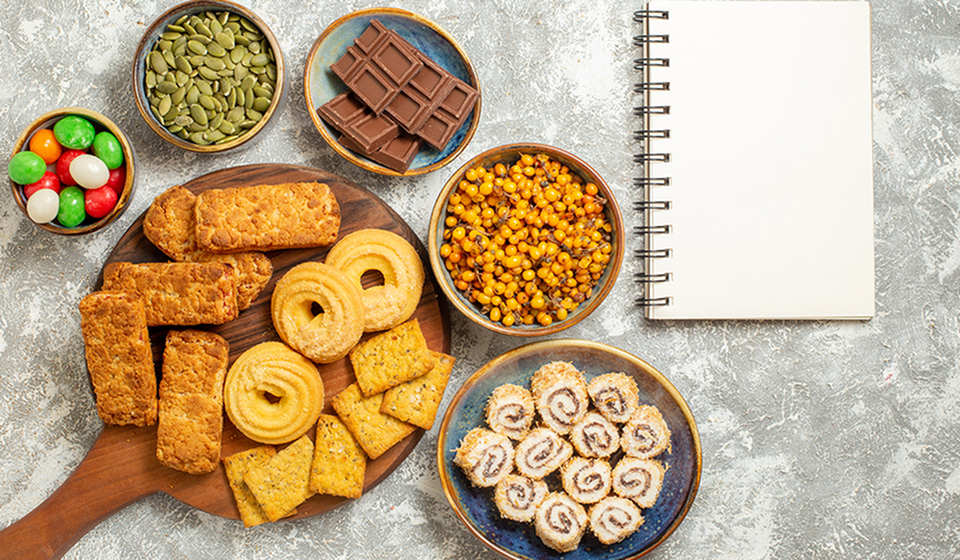
Our brain works all the time, even when we rest or sleep. To run smoothly, it needs steady, good fuel. When we feed it with poor-quality snacks, sugary, fatty, highly processed foods, the brain struggles. Over time, these foods can lead to foggy thinking, low energy, mood swings, and trouble remembering things. Research indicates that excessive consumption of sugary and fatty snacks can alter the brain's response to rewards and diminish the preference for healthier foods.
On the other hand, snacks that combine protein, fibre, good fats, and antioxidants can support your focus, memory, and mental stamina. Foods like nuts, berries, yogurt, seeds, and whole grains deliver nutrients your brain uses to build connections, repair itself, and filter out distractions.
Living in apartments near Wilfrid Laurier University at myREZ on Lester can make it easier to maintain healthy eating habits that support your mind and body. When you have access to a comfortable kitchen in our student housing, preparing nutritious snacks becomes part of your daily routine.
Snack ideas that help your concentration and mental energy
- Walnuts, almonds, or mixed nuts — They contain healthy fats (omega-3s), protein, and antioxidants that help protect your brain and support thinking.
- Berries (blueberries, strawberries, blackberries) — These have plant compounds called flavonoids that help with memory and signal transmission in the brain.
- Greek yogurt with seeds — Combines protein and healthy fats to give sustained energy without sugar crashes.
- Whole-grain toast or crackers with nut butter — The slow carbohydrates help keep your blood sugar steady, and the nut butter adds healthy fats and protein.
- Vegetable sticks (carrot, cucumber, bell pepper) with hummus — A crunchy, fibre-rich snack with plant protein and healthy fats.
- Dark chocolate (small piece, low sugar) — In moderation, it may give a mild boost in alertness due to flavonoids and small caffeine content.
When and how much to have as a mini meal
Snacking isn’t just about what you eat but when and how much. Here are some tips:
- Try to snack every two to three hours, rather than letting yourself get too hungry. That way, your brain doesn’t crash from low fuel.
- Keep portion sizes small, a handful of nuts, and a small cup of yogurt, so you don’t overwhelm your digestion or energy levels.
- Pair a carbohydrate (like fruit or whole grain) with protein or fat (nuts, seeds, yogurt). This slows absorption and keeps your energy steady.
- Drink enough water. Dehydration can make you feel tired or foggy, even if you eat nutritious snacks.
- Avoid eating heavy or greasy snacks right before intense study or reading; they may make you feel sleepy.
What to avoid or limit:
Some snacks are tempting because they taste good and give quick energy, but over time, they work against your brain:
- Candy bars, chips, pastries, and other highly processed sweets. These create sugar spikes and drops that dull focus.
- Sugary sodas or high-sugar drinks. They may give a quick jolt, but lead to a crash soon after.
- Very high amounts of saturated fats and fried snacks. These can lead to inflammation in the body and the brain, which science links to poorer cognition.
If you do indulge occasionally, do it thoughtfully, not as your regular habit.
How better snacks improve concentration:
Here’s how good snacking supports sharper thinking:
- Steady energy: Balanced snacks prevent blood sugar crashes or surges, giving your brain a stable supply of fuel.
- Better neurotransmission: Key nutrients like omega-3s, B vitamins, antioxidants, and minerals help your brain cells talk to each other efficiently.
- Reduced inflammation: Many nutrient-rich snacks help calm inflammation, which is linked to brain fog and fatigue.
- Mood and focus support: When your body is nourished, you feel more stable, less irritable, and better able to push through moments of distraction.
- Memory and recall: Certain foods help the parts of your brain responsible for memory stay sharp and resilient under stress.
Tips for your snack routine:
- Before studying, eat a snack that's light but filling (nuts + fruit, yogurt, hummus & veg).
- During long sessions, take short breaks and snack again to refresh your brain.
- After studying or during breaks, rehydrate and replenish with a balanced mini-meal or snack.
- Avoid snacking so late at night that it disturbs your sleep; sleep is vital for memory and concentration.
- Rotate snack types so you get variety, don’t depend on one snack all the time.
Conclusion
Living a healthy student life is more than about books and classes. It’s also about daily choices that support your mind and body. The food you eat, especially your study snacks, can either fuel your focus or hinder it. When you plan your snacks with care, you’re giving your brain the energy it needs to think clearly, remember better, and stay positive through long study sessions. Pairing this habit with a balanced lifestyle—good sleep, hydration, and short breaks—can make a big difference in how productive and calm you feel during exams and deadlines.
At myREZ on Lester you’ll find fully furnished apartments that make student living easy and enjoyable. Our apartments near Wilfrid Laurier University are designed to give you comfort, convenience, and a sense of community. You can prepare your own healthy snacks in modern kitchens, relax in spacious study areas, and connect with other students who share your goals.